Every Shinhan Academy investment lesson, all in one place.
Instructions for opening a Shinhan Securities account on the San Xin Ha app using a chip-based citizen ID card or level 2 VNeID, completing the application file and signing the electronic contract.
Learn what a stock is, how the stock market operates, where returns come from, the risks involved and the evaluation steps for beginners.
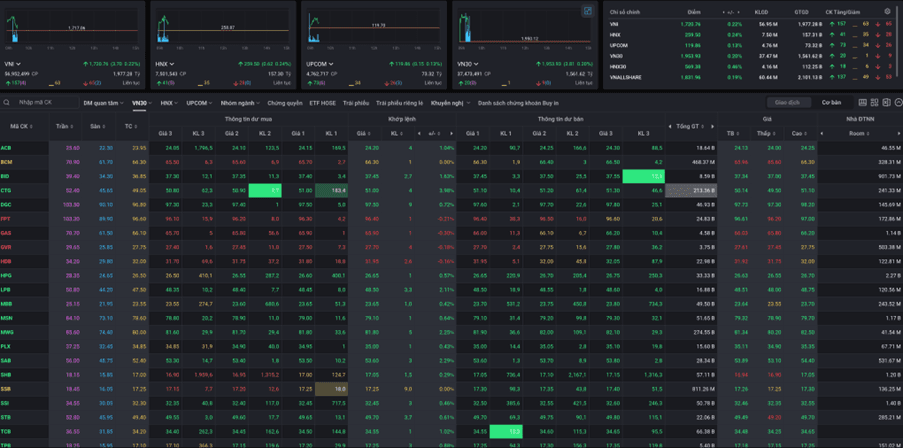
Explaining the price board columns, bid volume, ask volume, matched price, and the stock order placement process for beginners.
Understand the nature of bonds, cash flows, credit risk and the differences between bonds and stocks before investing.
Learn how ETFs work, their advantages and disadvantages, how to select a fund, and ETF accumulation strategies for new investors.
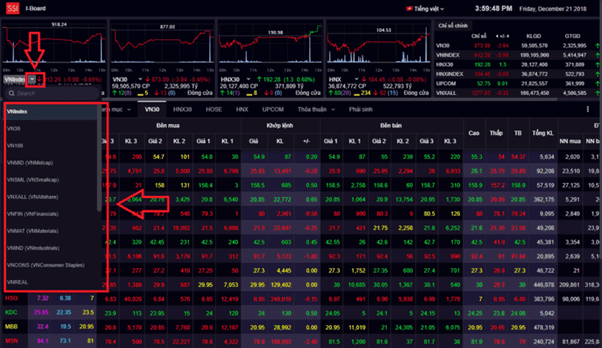
Distinguishing the four Vietnamese stock indices, how to read them and how to use them to track the market and assess your portfolio.
Comparison of common stock order types, their advantages and disadvantages, slippage risk, and how to choose the right order type.
Understanding T, T+1, T+2 days, cash and securities pending settlement, trading sessions, and how to manage cash flow when buying and selling stocks.
How to calculate capital for your first order, build an emergency fund, allocate positions, and set a suitable roadmap for starting to invest in securities.
There is no single reasonable P/E level that applies to every stock. Learn how to calculate it, the factors that influence it, and the proper process for comparing P/E ratios.
Learn what ROE, ROA and EPS are, their formulas, meaning, examples and how to combine the three ratios to assess a company's performance.
Explaining what P/B is, the formula, how to read it, which sectors it suits, and the cases where a low P/B does not mean the stock is cheap.
Learn what DCF is, the steps in discounted cash flow valuation, how to determine cash flows, the discount rate, terminal value and sensitivity.
A practical checklist to help investors examine the business model, industry, financials, cash flow, governance, valuation and risks before investing.
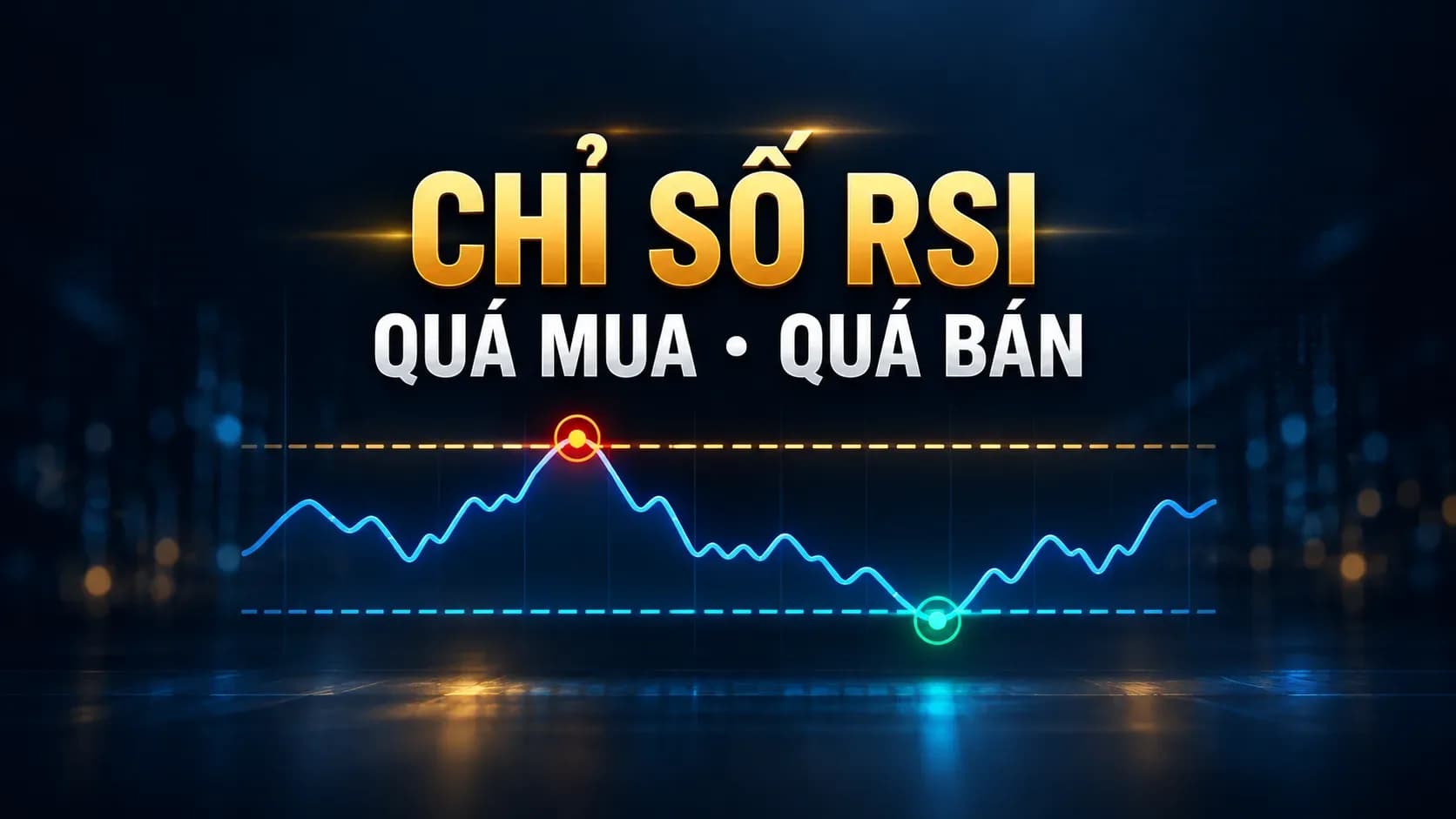
Learn what RSI is, its formula, how to read overbought – oversold zones, divergence, false signals, and how to combine RSI with price trends.
An explanation of what MACD is, the composition of the MACD line, the signal line and the histogram, how to read crossovers and divergences, along with the limitations to keep in mind.
Learn about trading volume and how to use volume to assess the degree of consensus behind a trend, breakouts, accumulation and distribution.
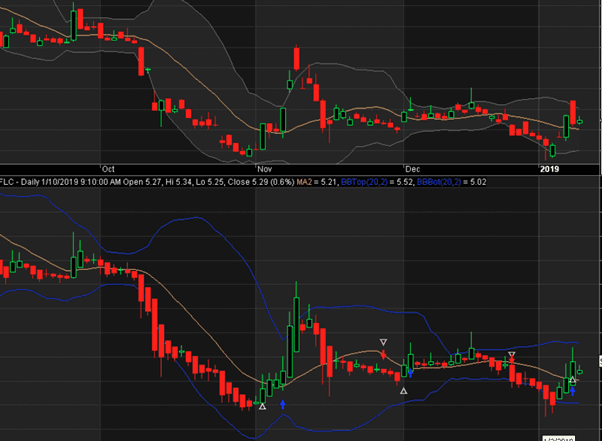
Learn about Bollinger Bands, the middle band – upper band – lower band, the squeeze and expansion phenomena, and common mistakes when using Bollinger Bands.
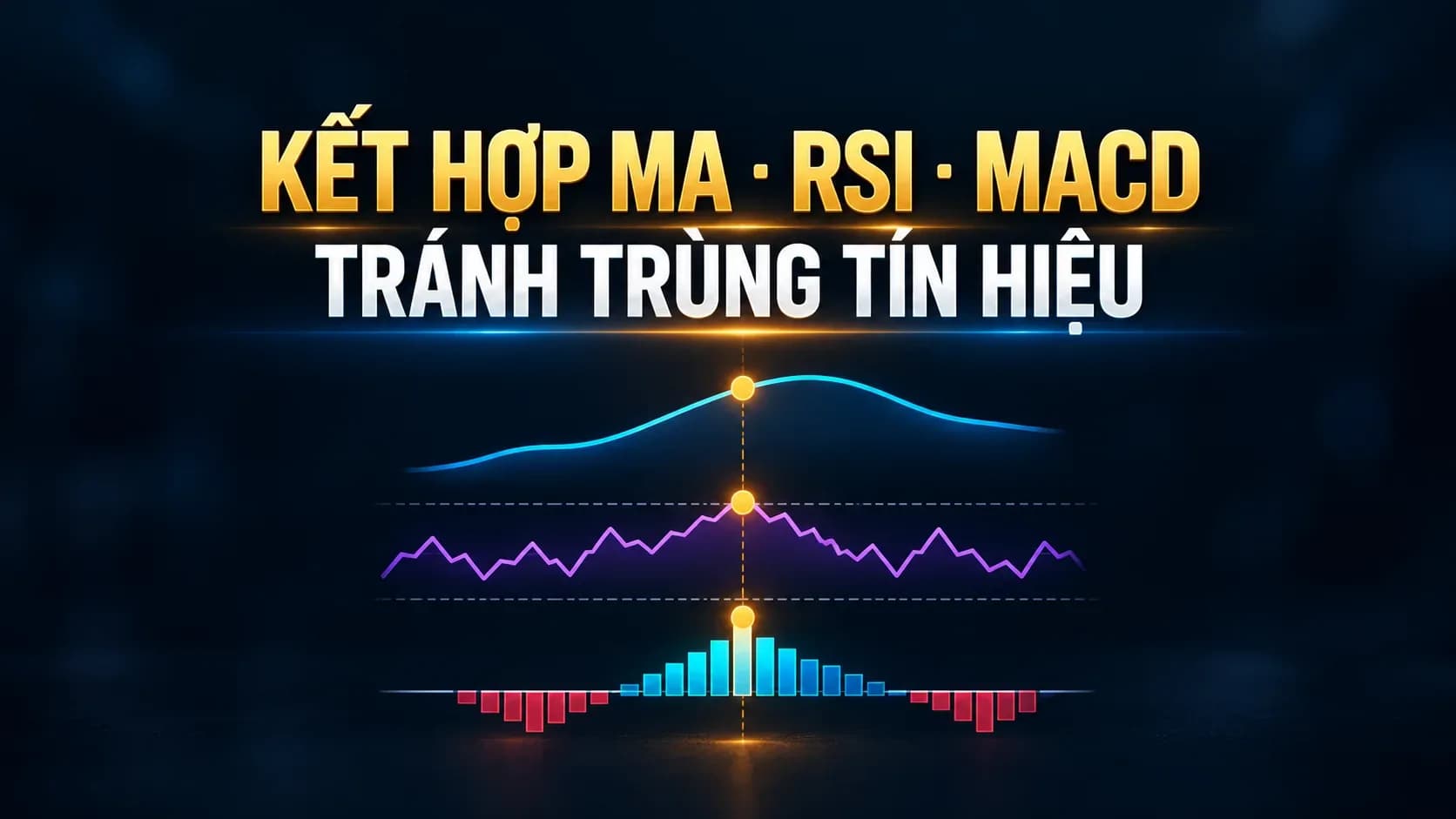
A guide to assigning distinct roles to MA, RSI and MACD in order to read trend, momentum and timing without double-counting signals or becoming dependent on indicators.
Explore value investing, intrinsic value, margin of safety and the process of screening companies suitable for long-term investors.
Understand growth investing and how to evaluate the revenue, profit, market, competitive advantage, valuation and risks of growth stocks.
Comparing long-term and short-term investing by objective, time horizon, knowledge, costs and risk to choose the approach that suits you.
A guide for beginners on defining objectives, risk tolerance, the number of stocks, allocation weights and portfolio monitoring rules.
Explanation of DCA, how to invest a fixed amount on a periodic basis, an example of calculating cost basis, advantages, limitations, and cases in which averaging down is not advisable.
Guidance on allocating cash, bonds and equities according to objectives, time horizon, risk capacity and risk tolerance.
Learn about dividend investing, dividend yield and payout ratio, how to assess cash flow, sustainability and the risks of dividend stocks.
A guide to assigning roles: fundamental analysis to select companies, and technical analysis to assess trends, timing and risk management.
Learn how to read stock market news without information overload: a practical process, examples, common mistakes and a checklist to help investors make more disciplined decisions.
Learn what FOMO in stock trading is: how to control emotional decisions, a practical process, examples, common mistakes and a checklist to help investors make more disciplined decisions.
Learn how to distinguish official news, rumours and manipulative information, with a practical process, examples, common mistakes and a checklist to help investors make more disciplined decisions.
Learn how to keep an investment journal and review your trading decisions — practical process, examples, common mistakes and a checklist to help investors make more disciplined decisions.
Learn when you should sell a stock. 5 signals to consider, a practical process, examples, common mistakes and a checklist to help investors make more disciplined decisions.
Learn how to use AI to support safe stock market research, with practical processes, examples, common mistakes and a checklist to help investors make more disciplined decisions.
Learn how to use brokerage research reports, the practical process, examples, common mistakes and a checklist to help investors make more disciplined decisions.
Learn the checklist before buying a stock, the practical process, examples, common mistakes and a checklist that helps investors make more disciplined decisions.
Learn how to monitor your portfolio without constantly watching the price board — the practical process, examples, common mistakes and a checklist to help investors make more disciplined decisions.
Learn about 10 mistakes new investors often make and how to avoid them, with practical processes, examples, pitfalls and a checklist to help investors make more disciplined decisions.
Learn what the risk/reward ratio is, how to evaluate a trade, the formula, examples, a checklist, and how to apply it in line with your personal financial goals.
Learn what an emergency fund is and why you need one before investing — the formula, examples, a checklist, and how to apply it to your personal financial goals.
Find out what percentage of your income you should set aside for investing, along with the formula, examples, a checklist and how to apply it in line with your personal financial goals.
Learn how to monitor and rebalance your investment portfolio, with formulas, examples, a checklist and how to apply it in line with your personal financial goals.
Learn how to manage capital and determine the weighting for each stock, with formulas, examples, a checklist, and how to apply them in line with your personal financial goals.
Understanding portfolio stress testing: what happens when the market falls sharply? Formulas, examples, a checklist, and how to apply it in line with your personal financial goals.
Understanding investor psychology: how to control greed, fear and FOMO, formulas, examples, checklists and how to apply them in line with your personal financial goals.
Understanding margin and call margin risk: what investors need to know — including the formula, examples, a checklist and how to apply it in line with your personal financial goals.
Learn what a stop-loss is, how to set an appropriate stop-loss level, the formula, examples, a checklist and how to apply it in line with your personal financial goals.
Learn about risk management in securities investing: principles for beginners, formulas, examples, checklists and how to apply them in line with your personal financial goals.
Learn what stock purchase rights are, how to exercise purchase rights, how they work, examples, risks and the checklist to know before participating.
Learn how Vietnam's stock market operates: its operating mechanism, examples, risks and the checklist you need to know before taking part.
Find out what VinaStalk is: the investor support tools on a single platform, how it works, examples, risks and the checklist to know before taking part.
Learn what derivatives are: a guide for beginners, how they work, examples, risks and a checklist to know before you start trading.
Learn how cash dividends and stock dividends differ, how they work, examples, risks and the checklist you need before taking part.
Learn how securities tax is calculated, how it works, examples, risks, and the checklist you need to know before getting involved.
Learn what foreign ownership room, foreign net buying and net selling are, how they work, examples, risks and the checklist you need to know before getting involved.
Learn what an ETF is: how ETFs differ from open-ended funds and stocks, how they work, examples, risks, and a checklist to know before investing.
Learn what a covered warrant is: benefits and risks, how it works, examples, risks and the checklist you need to know before participating.
Learn how HOSE, HNX and UPCoM differ, how they operate, examples, risks and the checklist you need before taking part.
Learn what corporate bonds are, the risks to watch out for, how they work, examples, risks and the checklist you need to know before investing.
Find out what the Sàn Xịn Ha app offers: a guide to the main features, how it works, examples, risks and the checklist you need to know before joining.